Pantry Organization Ideas: A Simple System for Any Size Pantry


This post contains affiliate links. As an Amazon Associate, Shelf & Sage earns from qualifying purchases, at no extra cost to you.
A beautifully organized pantry looks like magic on Pinterest, but the secret isn’t magic and it isn’t a giant walk-in. It’s a system: knowing where everything lives, so it’s easy to put back. Once you have that, the pretty containers are just the bonus.
Here’s the simple system we use, plus the pantry organization ideas that make it stick, whether you have a walk-in, a narrow closet, or two kitchen cabinets.
Step 1: Empty, Sort, and Zone
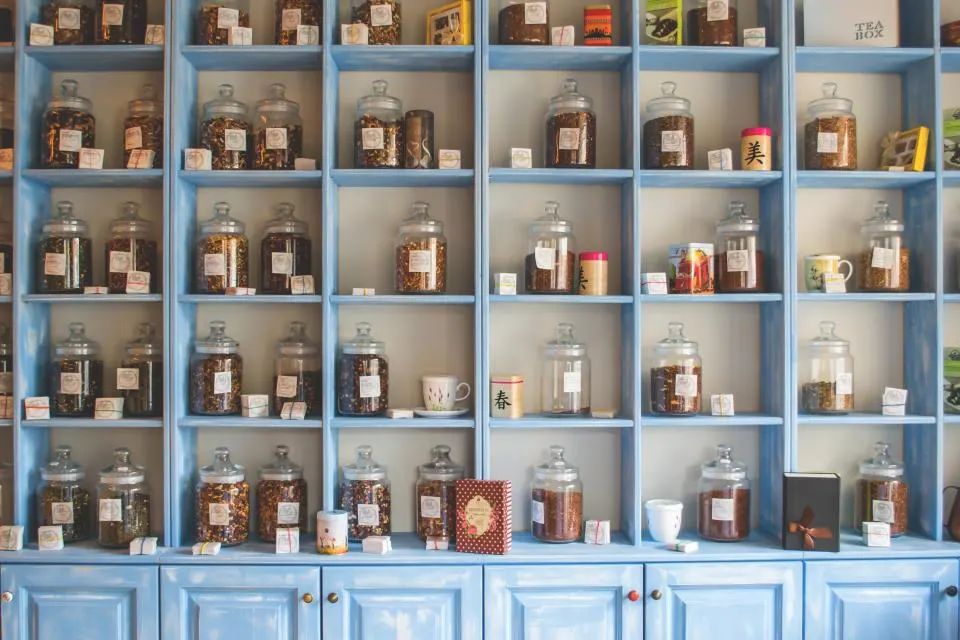
Take everything out. Yes, everything. Wipe the shelves down while they’re bare.
Toss the obvious. Check expiration dates, combine duplicates, and set aside anything you’ll never eat to donate.
Group like with like. Make piles on your counter: baking, breakfast, snacks, pasta and grains, canned goods, sauces and oils, and “backstock” extras.
Assign each group a zone. This is the step people skip, and it’s the one that matters most:
- Eye level: everyday items (breakfast, snacks, dinner staples)
- Higher shelves: backstock and occasional items
- Lower shelves: heavy items and kid-friendly snacks
- Door: spices, packets, and small things
Step 2: Decant or Not?
Decanting means moving food out of its packaging into containers. It looks lovely and keeps food fresher, but you don’t need to decant everything.
Decant these: flour, sugar, rice, pasta, oats, cereal, and snacks you go through quickly.
Leave these in the box: anything with cooking instructions you need, items you rarely use, and things that come in sturdy packaging already.
Tip: cut out the cooking instructions and tape them to the back of the container.
Step 3: Containers That Seal
Airtight containers keep food fresh, stop pantry pests, and stack neatly so you use every inch of shelf height.
Shop airtight pantry storage containers set on Amazon →
Choose square or rectangular shapes. They waste far less space than round ones. For bulk items like flour and rice, look for larger canisters with wide mouths so a measuring cup fits.
Shop large airtight flour and sugar canisters on Amazon →
Step 4: Use Vertical Space

Most pantries have more empty air than shelf space. Let’s use it.
Tiered shelf risers turn a flat row of cans into stadium seating so you can see everything at a glance.
Shop expandable tiered can organizer shelf on Amazon →
Turntables (lazy susans) are perfect for oils, vinegars, and sauces in deep corners. Give it a spin instead of digging.
Shop pantry turntable lazy susan on Amazon →
Stackable wire or clear bins corral snack packets, potatoes and onions, or baking supplies, and they slide out like drawers.
Shop clear stackable pantry bins with handles on Amazon →
Over-the-door racks add a whole new storage wall for spices, foil, and small jars.
Shop over-the-door pantry organizer rack on Amazon →
Step 5: Labels That Last
Labels are what keep a system working after the first week. Everyone in your house will know exactly where the granola bars go back.
If you decant, label the front with the contents and the back with the expiration date. Prefer a softer look? Chalkboard labels or simple printed labels work beautifully too.
Shop removable pantry labels on Amazon →
Small Pantry and Cabinet Versions

No pantry? No problem. The same system works in kitchen cabinets.
- Shelf risers double a cabinet shelf instantly.
- Pull-out bins make deep cabinets usable. Think of each bin as a “drawer.”
- Slim rolling carts fit in that gap beside the fridge for snacks or canned goods.
- Door-mounted racks hold spices and wraps.
Shop slim rolling kitchen storage cart on Amazon →
For a narrow closet pantry, put your most-used zone right at the front and keep backstock up high in labeled bins.
Keep It Up in 5 Minutes a Week
Pick one day, maybe the night before grocery shopping, to do a 5-minute reset: put strays back in their zones, wipe one shelf, and jot down what’s running low. That’s it.
Save This for Later
If this helped, save it to your Pinterest kitchen or pantry board so it’s ready for your next reset. Want more? Our Kitchen & Pantry guides are a great next stop.
Shelf & Sage is a participant in the Amazon Services LLC Associates Program, an affiliate advertising program designed to provide a means for sites to earn advertising fees by advertising and linking to Amazon.com.